How Often Should You Get an Eye Exam? Complete Guide by Age
Regular eye exams are essential for maintaining good vision and overall eye health. Many eye conditions develop slowly and without noticeable symptoms, so routine checkups help detect problems early—before they affect your daily life. This complete guide explains how often you should get an eye exam based on age, lifestyle, and risk factors.
Why Are Regular Eye Exams Important?
Eye exams do more than check whether you need glasses. They can:
- Detect vision problems early
- Identify eye diseases like glaucoma, cataracts, and macular degeneration
- Reveal health issues such as diabetes and high blood pressure
- Reduce the risk of permanent vision loss
Even if your vision feels fine, regular exams are still crucial.
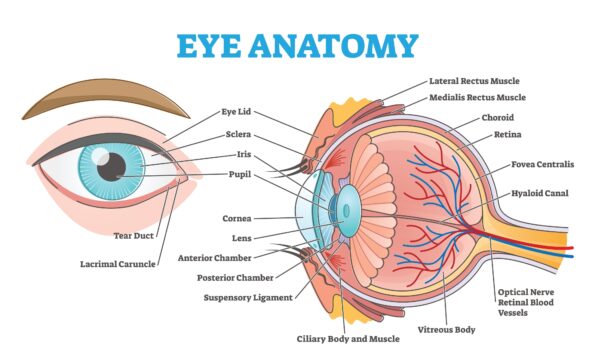
Eye Exam Frequency by Age Group
👶 Infants & Toddlers (0–2 Years)
Recommended: At least once between 6–12 months
Early eye exams help ensure proper visual development. Pediatricians often perform basic eye screenings, but a comprehensive exam may be recommended if:
- There is a family history of eye disease
- The child was born prematurely
- You notice crossed eyes or unusual eye movements
🧒 Children (3–12 Years)
Recommended: Every 1–2 years
Vision plays a key role in learning. Regular exams can detect:
- Nearsightedness (myopia)
- Farsightedness (hyperopia)
- Lazy eye (amblyopia)
- Eye coordination issues
Children who wear glasses or have vision problems may need more frequent exams.
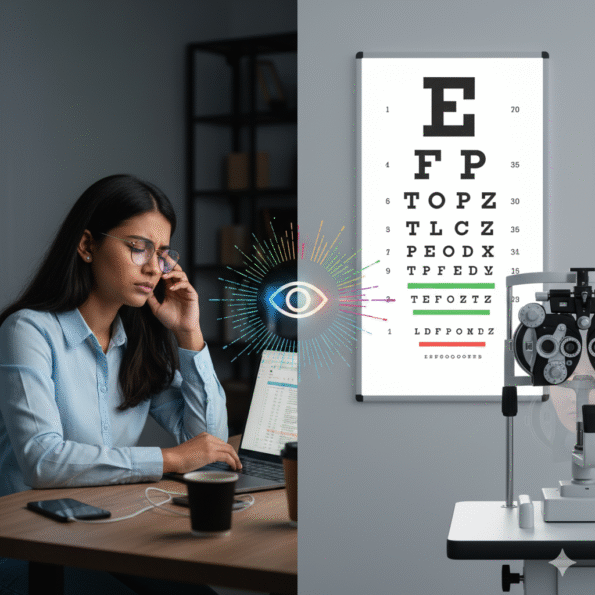
🧑 Teenagers (13–19 Years)
Recommended: Every 1–2 years
Teen years often bring changes in vision, especially due to increased screen time. Eye exams help manage:
- Rapid prescription changes
- Digital eye strain
- Contact lens safety and hygiene

👨 Adults (20–39 Years)
Recommended: Every 2 years (annually if risk factors exist)
Young adults with healthy eyes and no symptoms may not need yearly exams. However, annual exams are recommended if you:
- Use digital screens extensively
- Wear contact lenses
- Have diabetes or high blood pressure
- Have a family history of eye disease
👩 Adults (40–59 Years)
Recommended: Every 1–2 years
Vision changes become more common after 40. This is when presbyopia (difficulty focusing on near objects) often begins. Regular exams help detect:
- Glaucoma
- Early cataracts
- Age-related vision changes

👴 Seniors (60+ Years)
Recommended: Annually
The risk of serious eye conditions increases with age. Annual eye exams are essential to monitor and manage:
- Cataracts
- Macular degeneration
- Glaucoma
- Diabetic eye disease
Early detection can help preserve vision and independence.
Special Cases: When You May Need More Frequent Eye Exams
You may need eye exams more often if you:
- Have diabetes or other chronic conditions
- Have a family history of eye disease
- Experience frequent headaches or eye strain
- Notice sudden vision changes
- Wear contact lenses
Always follow your eye care professional’s recommendations.
Signs You Should Book an Eye Exam Immediately
Don’t wait for your next scheduled visit if you experience:
- Blurry or double vision
- Eye pain or redness
- Frequent headaches
- Difficulty seeing at night
- Sudden loss of vision
These symptoms may indicate a serious issue requiring urgent care.
Final Thoughts
Getting regular eye exams at the right intervals is one of the simplest ways to protect your vision for life. Whether you’re scheduling your child’s first eye check or keeping up with annual exams as you age, proactive eye care ensures clear vision and healthy eyes.
Book Your Eye Exam Today
Protect your vision with regular eye checkups. Whether you need prescription glasses, contact lenses, or a comprehensive eye health assessment, our experts are here to help.
👉 Schedule your eye exam today and see the world clearly. 👁️✨
Need help choosing glasses or booking an appointment? Visit myeyessite.com or contact our eye care experts for personalized guidance.